POUR TITUS KAPHAR, L’ARTISTE NOIR ENGAGÉ DÉTESTÉ PAR TRUMP, UNE PREMIÈRE EXPOSITION À PARIS : LE FEU BRÛLE ENCORE…
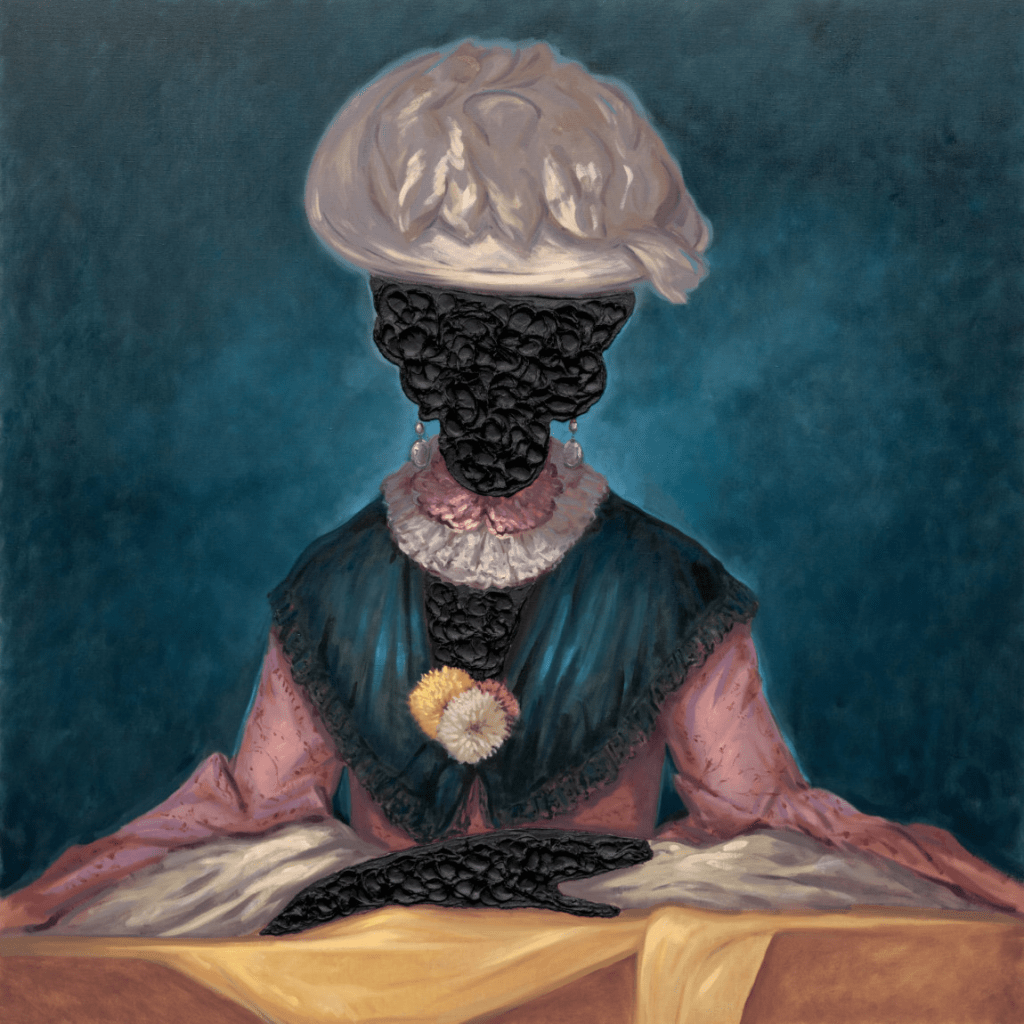
Titus Kaphar: The fire this time (Le feu cette fois)) – Gagosian Paris – Jusqu’au 7 mars 2026
La galerie Gagosian Paris présente actuellement et jusqu’au 7 mars prochain la première exposition parisienne de Titus Kaphar, « The Fire This Time », un artiste noir très engagé, que le psyco-président américain adore sans aucun doute… L’exposition présente de nouvelles peintures et des sculptures en bois sculptées à la main qui prolongent l’engagement de l’artiste sur la manière dont l’histoire et la représentation influencent la mémoire collective.
Le titre de l’exposition fait référence au chef-d’œuvre de James Baldwin, La Prochaine Fois, le Feu (1963), œuvre majeure de la lutte pour les droits civiques qui relate le combat de l’auteur contre le système racial américain et son rejet final. En s’installant à Paris, Baldwin a rejoint une communauté d’artistes et de penseurs américains expatriés, parmi lesquels Miles Davis, Nina Simone et Richard Wright – des figures qui refusaient ce que Baldwin appelait « la folie américaine ». L’anthologie de Jesmyn Ward, <i> Cette fois, le Feu</i> (2017), transpose ces préoccupations dans l’Amérique contemporaine, plus de cinquante ans plus tard.
Les nouvelles peintures et sculptures de Kaphar interrogent le rôle symbolique de la présidence américaine à un moment où cette « folie » est de nouveau au cœur du débat public. Alors que les États-Unis s’apprêtent à célébrer le 250e anniversaire de la Déclaration d’indépendance – et que se déroulent des manifestations nationales contre la monarchie –, Kaphar propose une forme d’hommage et de réparation en mettant en lumière des visages et des voix longtemps restés dans l’ombre du pouvoir.
Dans plusieurs nouvelles toiles, il revisite les formats et les techniques des peintures Tar (2012–) et Whitewash (2013–) qui ont fait sa renommée, approfondissant ainsi le dialogue formel qui sous-tend sa pratique. Ces portraits représentent des personnes ayant côtoyé les présidents fondateurs des États-Unis, mais reléguées aux marges de l’histoire. En les intégrant au récit, Kaphar souligne leur présence et leur capacité d’agir, redonnant leur dignité à des individus dont l’histoire fut jadis effacée ou occultée. Nombre de ces sujets étaient des personnes réduites en esclavage et liées à George Washington : des membres de son personnel, des combattants de la Révolution américaine et des femmes restées esclaves des années après sa mort – dont l’histoire est pour beaucoup d’entre elles redécouverte seulement aujourd’hui.
S’inspirant en partie des récents travaux de Kaphar dans le domaine du cinéma narratif, ses nouvelles peintures Drawer (2025–) dissimulent des panneaux encastrés derrière la toile principale, qui interrogent ce qui est occulté ou passé sous silence dans les archives officielles. Une fois dévoilée au spectateur, la composante cachée de Celia : Embers, Bone, and Ash (2025) révèle progressivement l’histoire de Celia, un parcours de victimisation à émancipation.
L’exposition présente également une importante série de sculptures en bois taillées à la main, représentant des amis et des membres de la famille – des « saints » qui ont soutenu l’artiste dans sa vie personnelle. Influencées par l’art byzantin et de la Renaissance italienne, et inspirées par un voyage transformateur à Florence, chaque sculpture est carbonisée afin de sceller le bois et d’orner sa surface. Leur finition noircie fait écho à l’utilisation fréquente du goudron par Kaphar dans des peintures telles que * The Jerome Project * (2014–).
Pour Kaphar, le feu brûle encore.
L’exposition « The Fire This Time » coïncide avec la participation de Kaphar à l’exposition « Titus Kaphar and Junius Brutus Stearns : Pictures More Famous than the Truth » au Virginia Museum of Fine Arts, Richmond (du 14 février au 26 juillet 2026) et à « America 250 : Common Threads » au Crystal Bridges Museum of American Art, Bentonville, Arkansas (du 14 mars au 27 juillet 2026.
_________________________________</
Gagosian presents Titus Kaphar’s first exhibition in Paris, The Fire This Time, opening at the rue de Ponthieu gallery on January 29, 2026. The exhibition features new paintings and hand-carved wood sculptures that extend the artist’s engagement with how history and representation impact collective memory.
The exhibition title refers to James Baldwin’s civil-rights-era masterpiece, The Fire Next Time (1963), which charts the author’s struggle with—and ultimate rejection of—the racial politics of America. In relocating to Paris, Baldwin joined a community of American expatriate artists and thinkers, including Miles Davis, Nina Simone, and Richard Wright—figures who refused what Baldwin called “the American madness.” Jesmyn Ward’s anthology The Fire This Time (2017) carries those concerns into contemporary America, more than fifty years later.
Kaphar’s new paintings and sculptures reflect on the symbolic role of the American presidency at a moment when that “madness” is again at center stage. As the United States approaches the 250th anniversary of the Declaration of Independence—alongside national “No Kings” protests—Kaphar offers a form of homage and redress by foregrounding faces and voices that have long existed in the shadows of power.
In several new canvases, he revisits the formats and media of the Tar (2012–) and Whitewash (2013–) paintings for which he is known, advancing the formal conversations that anchor his practice. These portraits depict people who orbited the founding American presidents yet who were consigned to the margins of the historical record. By bringing them into the frame, Kaphar emphasizes their presence and agency, restoring dignity for individuals whose stories were once erased or obscured. Many of these subjects were enslaved people connected to George Washington: members of his household staff, fighters in the American Revolution, and women who remained enslaved years after his death—many whose histories are only now being recovered.
Partially inspired by Kaphar’s recent work in narrative film, his new Drawer paintings (2025–) conceal inset panels behind the main canvas that reflect on what is suppressed, or omitted from sanctioned records. When opened for the viewer, the hidden component of Celia: Embers, Bone, and Ash (2025) gradually reveals Celia’s story as a journey from victimization to empowerment.
The exhibition also debuts a major series of hand-hewn wood sculptures portraying friends and family—“saints” who sustained the artist in his personal life. Influenced by Byzantine and Renaissance Italian art and prompted by a transformative visit to Florence, each sculpture is charred to seal the wood and to ornament the surface. Their blackened finish echoes Kaphar’s extended use of tar in paintings such as The Jerome Project (2014–).
For Kaphar, the fire still burns.
The Fire This Time coincides with Kaphar’s participation in Titus Kaphar and Junius Brutus Stearns: Pictures More Famous than the Truth at the Virginia Museum of Fine Arts, Richmond (February 14–July 26, 2026) and America 250: Common Threads at Crystal Bridges Museum of American Art, Bentonville, Arkansas (March 14–July 27, 2026).
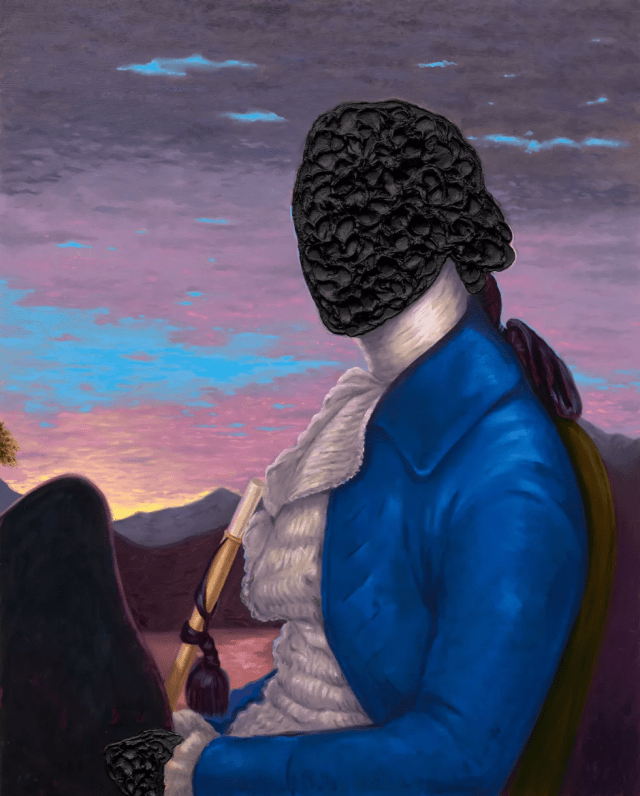
Image: 1- Titus Kaphar – Kinfolk, Breath is my precious inheritance (Harry Washington) – Oil on canvas, 2025 – copyright the artist / Gagosian Paris 2- Titus Kaphar – Kinfolk, Breath is my precious inheritance (Sarah Johnson) – Oil on canvas, 2025 – copyright the artist / Gagosian Paris – Photos Owen Conway










 INFERNO