DAVID WEISS « CARONA 68-78 », LUGANO : LE COLLECTIF COMME MEMOIRE

« Quatre façons de penser le collectif : de Berlin à Pozzuoli » – Chap. III. Carona 68–78 au MASI Lugano : le collectif comme mémoire
À Lugano, l’exposition David Weiss. Le rêve de la Casa Aprile – Carona 68-78 au MASI redonne vie à une communauté artistique disparue, celle qui occupa dans le village de Carona la Casa Aprile, la Casa Costanza (où résidait Meret Oppenheim) et la Casa Pantrova. C’est Christoph Wenger, neveu de Meret Oppenheim, qui rénova et anima la Casa Aprile et invita David Weiss en 1969. Il avait 23 ans, David Weiss 22, et Meret Oppenheim 55. Peintres, sculpteurs, architectes et écrivains (Hermann Hesse y venait régulièrement, et Timothy Leary y séjourna en 1972) y formèrent un collectif informel fondé sur la proximité et l’expérimentation.
L’exposition, nourrie d’archives, de témoignages et d’œuvres d’époque, reconstitue l’esprit d’un lieu et d’une génération : celui d’un vivre-ensemble où l’art se confondait avec la vie quotidienne. Ici, la collectivité n’est plus un format d’exposition, mais un objet historique et affectif. Plus de deux cents œuvres sont exposées, parmi lesquelles de nombreux dessins, esquisses et aquarelles de Weiss où se déploie tout son humour. On y trouve aussi de nombreuses photographies — scènes du quotidien, portraits, moments de convivialité entre artistes — ainsi que des publications, lettres, diari, albums, archives personnelles et œuvres d’autres membres de la communauté : Esther Altorfer, Anton Bruhin, Matthyas Jenny, Peter Schweri, Willy Spiller, Urs Lüthi, Iwan Schumacher ou Maria Gregor. En retraçant ce moment de l’histoire artistique tessinoise, le MASI interroge ce qu’il reste du collectif face aux pratiques individualisées.
Timothée Chaillou, à Lugano
________________________________
‘Four Ways of Thinking About the Collective: From Berlin to Pozzuoli’
Chap. III. Carona 68–78 at MASI Lugano: The Collective as Memory
In Lugano, the exhibition David Weiss. The Dream of Casa Aprile. Carona 68–78 at MASI revives a vanished artistic community, the one that occupied Casa Aprile, Casa Costanza (where Meret Oppenheim resided), and Casa Pantrova in the village of Carona. It was Christoph Wenger, Meret Oppenheim’s nephew, who renovated and enlivened Casa Aprile and invited David Weiss in 1969. He was 23, David Weiss 22, and Meret Oppenheim 55. Painters, sculptors, architects, and writers (Hermann Hesse came regularly, and Timothy Leary stayed there in 1972) formed an informal collective based on proximity and experimentation.
The exhibition, enriched by archives, testimonies, and works from the period, reconstructs the spirit of a place and a generation: that of a coexistence where art merged with everyday life. Here, the community is no longer an exhibition format, but a historical and emotional object. More than two hundred works are on display, including numerous drawings, sketches, and watercolors by Weiss, which display all his humor. There are also numerous photographs—everyday scenes, portraits, moments of conviviality between artists—as well as publications, letters, diaries, albums, personal archives, and works by other members of the community: Esther Altorfer, Anton Bruhin, Matthyas Jenny, Peter Schweri, Willy Spiller, Urs Lüthi, Iwan Schumacher, and Maria Gregor. By retracing this moment in Ticino’s artistic history, the MASI questions what remains of the collective in the face of individualized practices.
Timothée Chaillou, in Lugano


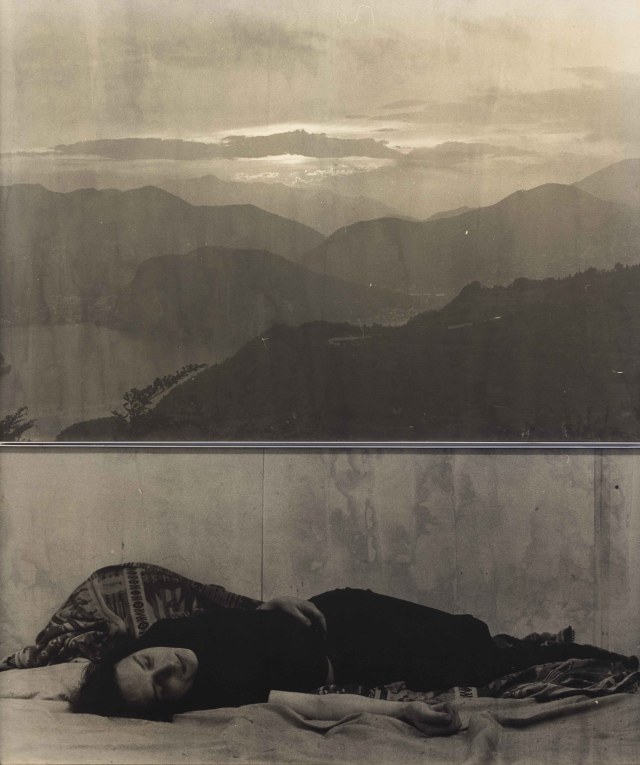


Images: 1 to 6: David Weiss – exhibition ‘Carona 68-78’ at MASI Lugano – 7 & 8: Casa Aprile, Lugano. – Copyright the artist – Courtesy MASI Lugano – Photos: Cosimo Filippini 2025










 INFERNO