LUCIANO FABRO « ABITARE LO SPAZIO » : HANGARBICOCCA DÉPLOIE LA PREMIÈRE RÉTROSPECTIVE EN ITALIE DE L’ARTISTE CULTE DE L’ARTE POVERA
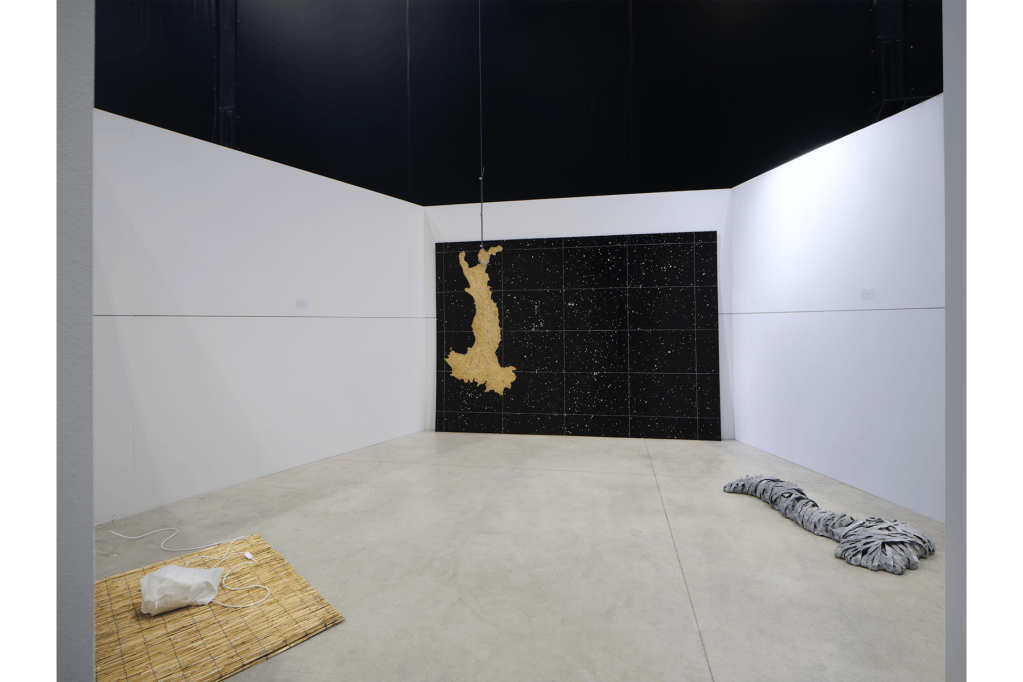
ABITARE LO SPAZIO – LUCIANO FABRO – Curators : Fiammetta Griccioli, Roberta Tenconi e Vicente Todolí con la collaborazione di Silvia Fabro – HangarBicocca Milan – Jusqu’au 21 février 2027.
« Habiter l’espace » est le titre de la première rétrospective muséale consacrée à Luciano Fabro en Italie depuis sa mort en 2007. L’exposition au Pirelli HangarBicocca présente une cinquantaine des sculptures et installations les plus importantes de sa carrière artistique.
L’exposition explore l’approche conceptuelle et formelle de l’artiste vis-à-vis de l’espace , en analysant son interaction avec la perception de ceux qui l’habitent. Elle mettra notamment en lumière ses recherches perceptives et spatiales entamées dans les années 1960, retraçant leur évolution depuis ses premières expérimentations avec des surfaces réfléchissantes jusqu’à son œuvre des cinquante années suivantes, aboutissant à des structures et des espaces architecturaux plus complexes, souvent en papier, que l’artiste définissait comme des « habitats » : des environnements idéaux – autonomes ou intégrés à des espaces existants – conçus pour accueillir et activer ses œuvres.
Le concept d’ habitat imprègne la recherche de Fabro depuis les années 1960, bien que l’artiste utilise ce terme depuis les années 1980. L’habitat chez Fabro combine la dimension matérielle et artisanale avec une tension théorique et philosophique.
Ce concept renvoie à une double origine étymologique : le verbe *habito* , qui signifie habiter un lieu, et le nom * habitus* , qui désigne l’apparence extérieure, la morphologie corporelle ou l’habillement. Dans cette perspective, l’habitat devient un espace à parcourir, un lieu à habiter, mais aussi un dispositif capable d’orienter la perception et de créer des liens.
Mêlant sculpture, architecture et peinture, Fabro crée des parcours, des perspectives et des éléments architecturaux qui transforment la perception de l’espace. Conçus à la fois comme des interventions au sein d’espaces d’exposition existants et comme des environnements autonomes, ces habitats transcendent la neutralité du « white cube » grâce à l’utilisation de matériaux légers et éphémères , tels que le papier et la lumière , qui définissent de nouveaux agencements spatiaux et accueillent d’autres œuvres de l’artiste.
À bien des égards, ces espaces rappellent l’atmosphère accueillante des places baroques et s’inscrivent dans le cadre des expérimentations d’urbanisme radicales et relationnelles développées entre les années 1960 et 1970.
L’œuvre n’est donc pas seulement observée, mais vécue et habitée, au sein d’un système dynamique où l’espace, le corps et la perception s’influencent mutuellement. Fabro définissait l’habitat comme un topos : un lieu construit capable de générer des logos , et par conséquent du sens, des relations et une communauté.
L’exposition au Pirelli HangarBicocca alterne des œuvres individuelles avec de grands ensembles environnementaux comprenant plusieurs œuvres, conçues comme parties d’un seul dispositif spatial, et avec plusieurs habitats reconstitués dans la Navate après la mort de l’artiste, d’après son cahier des charges.
LUCIANO FABRO
Figure centrale de l’art italien d’après-guerre, Luciano Fabro (Turin, 1936 – Milan, 2007) fut un représentant de premier plan du groupe Arte Povera , démontrant toutefois une aptitude pour la recherche individuelle et jamais standardisée.
Depuis ses débuts, il a développé une exploration personnelle du concept d’habiter l’espace – compris comme un champ d’action dynamique – tout en explorant simultanément le regard, l’expérience et la relation du spectateur avec l’œuvre et l’environnement.
Ses recherches, qui prennent inévitablement en considération les environnements spatiaux de Lucio Fontana (1899-1968) et la réflexion conceptuelle développée par Piero Manzoni (1933-1963), ont spécifiquement exploré les aspects linguistiques de la sculpture, la considérant comme un outil nécessaire pour lire et interpréter les formes de l’expérience et redéfinir d’une manière particulière la relation entre l’élément sculptural et l’espace environnant.
Fabro a expérimenté le potentiel expressif de différents matériaux , des plus traditionnels comme le marbre, le verre et le bronze , aux moins courants comme la soie et le plomb, chacun choisi pour ses qualités sensorielles et évocatrices.
Influencé par un regain d’intérêt pour la sensibilité baroque, ses œuvres, par l’utilisation de surfaces réfléchissantes, de verre et de miroirs qui fragmentent et multiplient l’espace environnant, accentuent le jeu des contrastes et la relation entre présence et absence, visible et invisible.
À la croisée de la sculpture, de la peinture et de l’architecture, Fabro met en œuvre des procédés qui renforcent leurs contaminations mutuelles, utilisant des formes apparemment simples pour générer des significations complexes .
Définissant la peinture comme « vision » et la sculpture comme « révélation », l’artiste a créé une œuvre ouverte et stratifiée dans laquelle les matériaux et les langages s’entremêlent dans une recherche à la fois réflexive et sensuelle, rigoureuse et dynamique.
Parallèlement à sa production artistique, Fabro a développé une approche théorique rigoureuse , apportant des contributions significatives à la théorie de l’art, fondée sur une réflexion conceptuelle méticuleuse et laissant également derrière lui une production textuelle considérable.
Au cœur de sa pensée réside une tension constante entre la dimension autonome de l’œuvre d’art — comprise comme forme complète et principe d’ordre — et celle de l’ expérience sensorielle , par laquelle l’œuvre acquiert du sens dans son interaction avec le monde réel. Ses sculptures et installations apparaissent ainsi comme des lieux d’équilibre entre ces deux pôles, où rigueur conceptuelle et perception, autonomie formelle et relation, coexistent dans une ouverture permanente.
Ce solide bagage intellectuel a alimenté la création d’œuvres imaginatives et complexes, souvent caractérisées par un registre ironique subtil , capables d’innover et d’élargir le champ de la sculpture contemporaine.
Plus de dix ans après sa dernière exposition internationale au Musée Reina Sofía de Madrid (2014), la rétrospective italienne offre également l’occasion de revenir sur le lien profond qui unit Luciano Fabro à la ville de Milan. Installé à Milan en 1959 après avoir passé son enfance dans le Frioul, l’artiste y trouve un terreau fertile pour développer ses recherches, au sein du contexte culturel vibrant de la ville. Entre la fin des années 1970 et le début des années 1980, il fonde la Casa degli Artisti avec Hidetoshi Nagasawa (1940-2018) et Jole De Sanna (1947-2004), la transformant en un laboratoire de discussion et d’expérimentation ouvert aux nouvelles générations. De 1983 à 2002, il enseigne également à l’Académie des Beaux-Arts de Brera, inspirant de nombreux artistes, tant de son époque que des générations suivantes.
________________________
LUCIANO FABRO « INHABITING SPACE »: HANGARBICOCCA DEPLOIES THE FIRST RETROSPECTIVE IN ITALY OF THE ICONIC ARTIST OF ARTE POVERA
Curators: Fiammetta Griccioli, Roberta Tenconi and Vicente Todolí with the collaboration of Silvia Fabro – HangarBicocca Milan – Until 21 February 2027.
« Inhabiting Space » is the title of the first museum retrospective dedicated to Luciano Fabro in Italy since his death in 2007. The exhibition at the Pirelli HangarBicocca presents around fifty of the most important sculptures and installations from his artistic career.
The exhibition explores the artist’s conceptual and formal approach to space, analyzing its interaction with the perception of those who inhabit it. It will notably highlight his perceptual and spatial research begun in the 1960s, tracing its evolution from his early experiments with reflective surfaces to his work of the following fifty years, culminating in more complex architectural structures and spaces, often made of paper, which the artist defined as « habitats »: ideal environments – autonomous or integrated into existing spaces – designed to accommodate and activate his works.
The concept of habitat has permeated Fabro’s research since the 1960s, although the artist has been using the term since the 1980s. Habitat in Fabro’s work combines the material and artisanal dimension with a theoretical and philosophical tension.
This concept has a dual etymological origin: the verb *habito* , meaning to inhabit a place, and the noun * habitus* , referring to outward appearance, bodily morphology, or clothing. From this perspective, the home becomes a space to be traversed, a place to be lived in, but also a device capable of shaping perception and creating connections.
Blending sculpture, architecture, and painting, Fabro creates pathways, perspectives, and architectural elements that transform the perception of space. Conceived both as interventions within existing exhibition spaces and as autonomous environments, these habitats transcend the neutrality of the » white cube » through the use of lightweight and ephemeral materials, such as paper and light, which define new spatial arrangements and accommodate other works by the artist.
In many ways, these spaces recall the welcoming atmosphere of Baroque squares and are part of the radical and relational urban planning experiments developed between the 1960s and 1970s.
The work is therefore not only observed, but experienced and inhabited, within a dynamic system where space, body, and perception mutually influence each other. Fabro defined habitat as a topos : a constructed place capable of generating logos , and consequently meaning, relationships, and a community.
The exhibition at Pirelli HangarBicocca alternates individual works with large environmental ensembles comprising several works, conceived as parts of a single spatial device, and with several habitats reconstructed in the Navate after the artist’s death, according to his specifications.
LUCIANO FABRO
A central figure in post-war Italian art, Luciano Fabro (Turin, 1936 – Milan, 2007) was a leading representative of the Arte Povera group, demonstrating however an aptitude for individual and never standardized research.
From the beginning, he has developed a personal exploration of the concept of inhabiting space – understood as a dynamic field of action – while simultaneously exploring the gaze, experience and relationship of the viewer with the work and the environment.
His research, which inevitably takes into consideration the spatial environments of Lucio Fontana (1899-1968) and the conceptual reflection developed by Piero Manzoni (1933-1963), has specifically explored the linguistic aspects of sculpture, considering it as a necessary tool to read and interpret the forms of experience and to redefine in a particular way the relationship between the sculptural element and the surrounding space.
Fabro has experimented with the expressive potential of different materials, from the most traditional such as marble, glass and bronze, to the less common such as silk and lead, each chosen for its sensory and evocative qualities.
Influenced by a renewed interest in Baroque sensibility, his works, through the use of reflective surfaces, glass and mirrors that fragment and multiply the surrounding space, accentuate the play of contrasts and the relationship between presence and absence, visible and invisible.
At the crossroads of sculpture, painting and architecture, Fabro employs processes that reinforce their mutual contaminations, using seemingly simple forms to generate complex meanings.
Defining painting as « vision » and sculpture as « revelation, » the artist has created an open and layered body of work in which materials and languages intertwine in a search that is at once reflective and sensual, rigorous and dynamic.
Alongside his artistic production, Fabro developed a rigorous theoretical approach, making significant contributions to art theory, based on meticulous conceptual thinking, and also leaving behind a considerable body of textual work.
At the heart of his thinking lies a constant tension between the autonomous dimension of the artwork—understood as a complete form and principle of order—and that of sensory experience, through which the work acquires meaning in its interaction with the real world. His sculptures and installations thus appear as spaces of equilibrium between these two poles, where conceptual rigor and perception, formal autonomy and relationship, coexist in a state of perpetual openness.
This solid intellectual background has fueled the creation of imaginative and complex works, often characterized by a subtle ironic register , capable of innovating and expanding the field of contemporary sculpture.
More than ten years after his last international exhibition at the Reina Sofía Museum in Madrid (2014), this Italian retrospective also offers an opportunity to revisit the profound connection between Luciano Fabro and the city of Milan. Having settled in Milan in 1959 after spending his childhood in Friuli, the artist found fertile ground for developing his research within the city’s vibrant cultural context. Between the late 1970s and early 1980s, he founded the Casa degli Artisti with Hidetoshi Nagasawa (1940-2018) and Jole De Sanna (1947-2004), transforming it into a laboratory for discussion and experimentation open to new generations. From 1983 to 2002, he also taught at the Brera Academy of Fine Arts, inspiring numerous artists, both of his own time and subsequent generations.
________________________
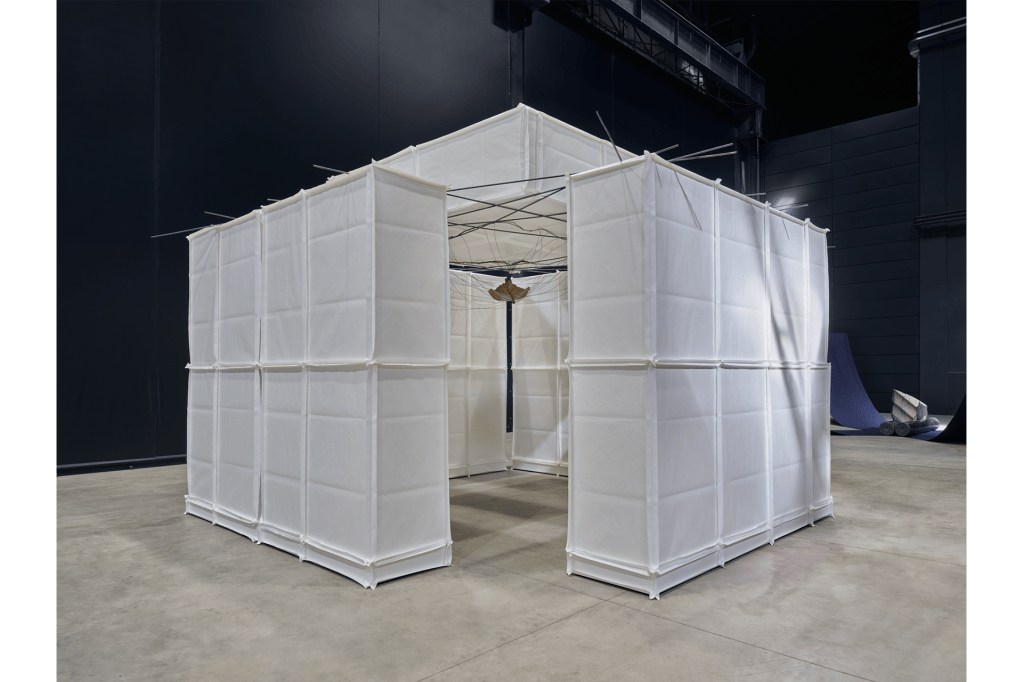
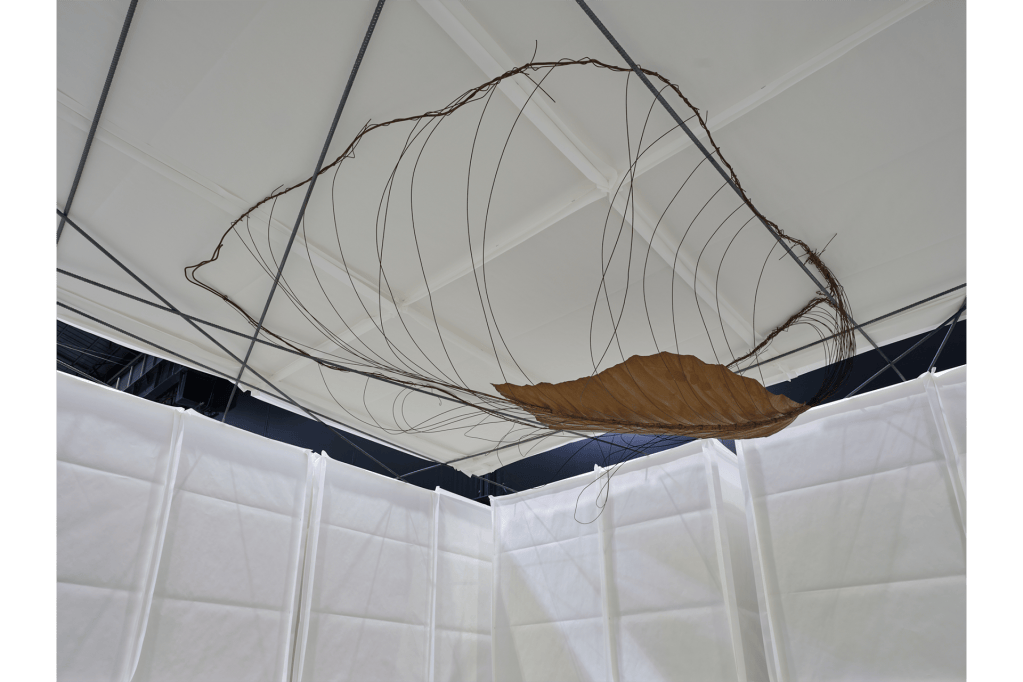
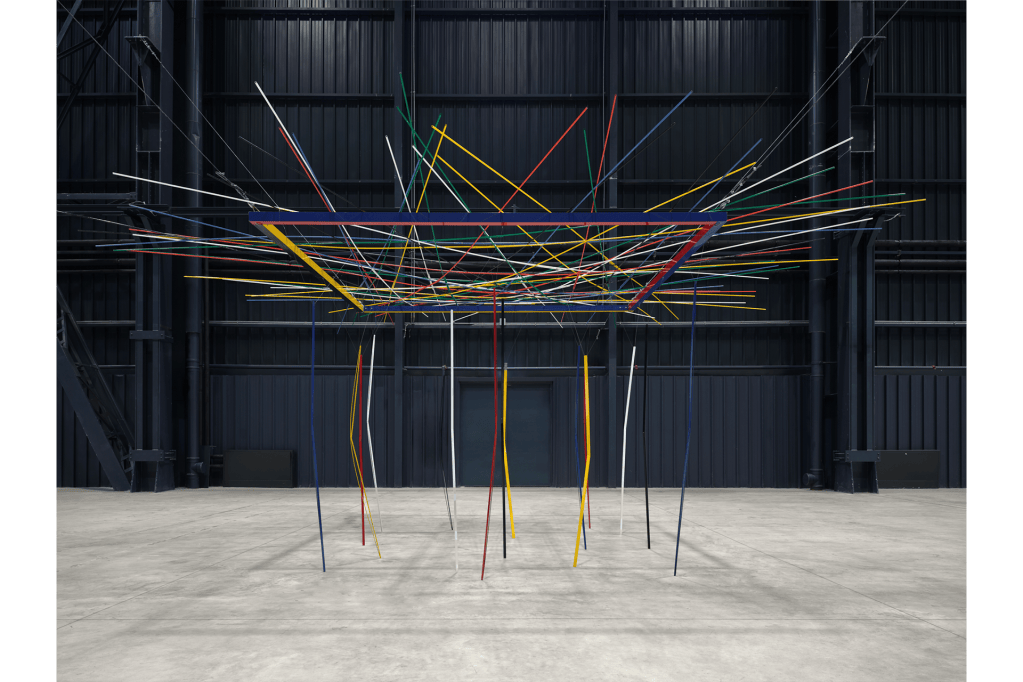
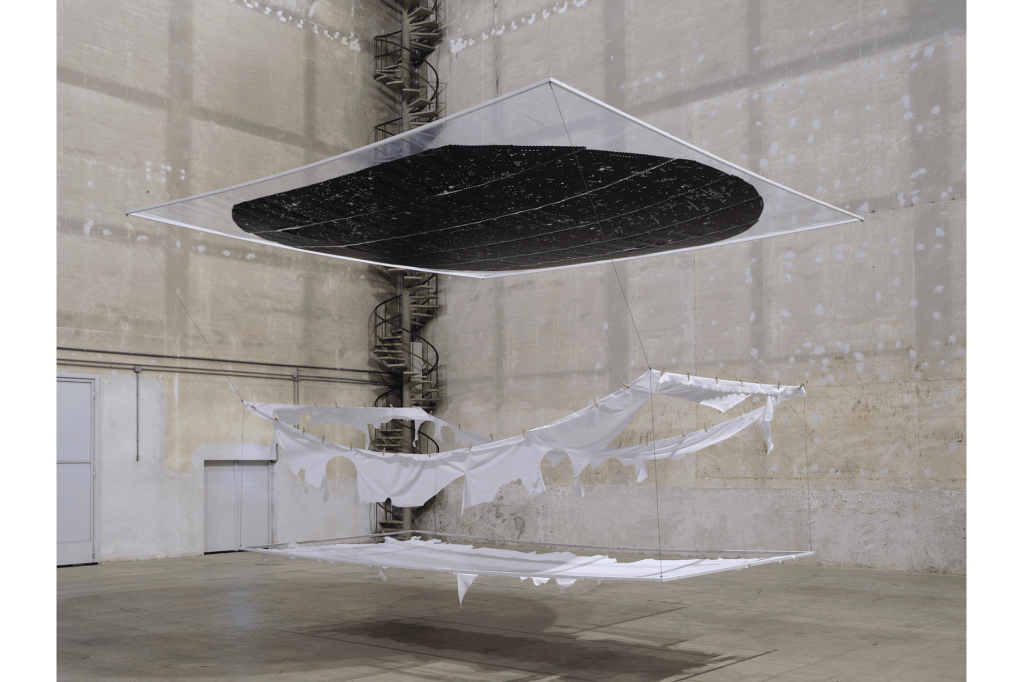
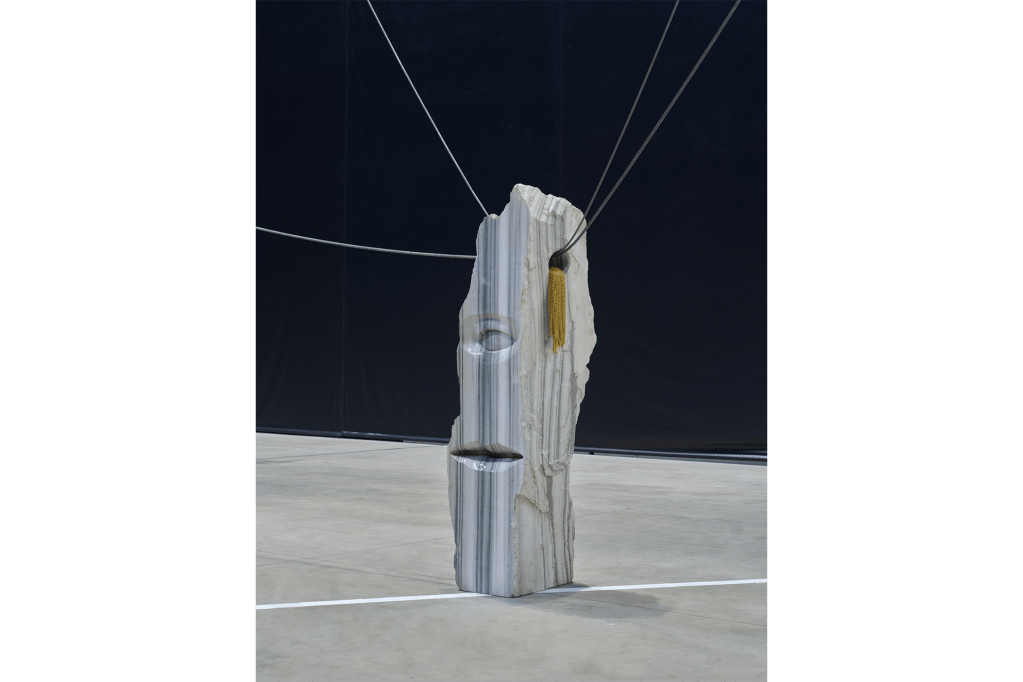
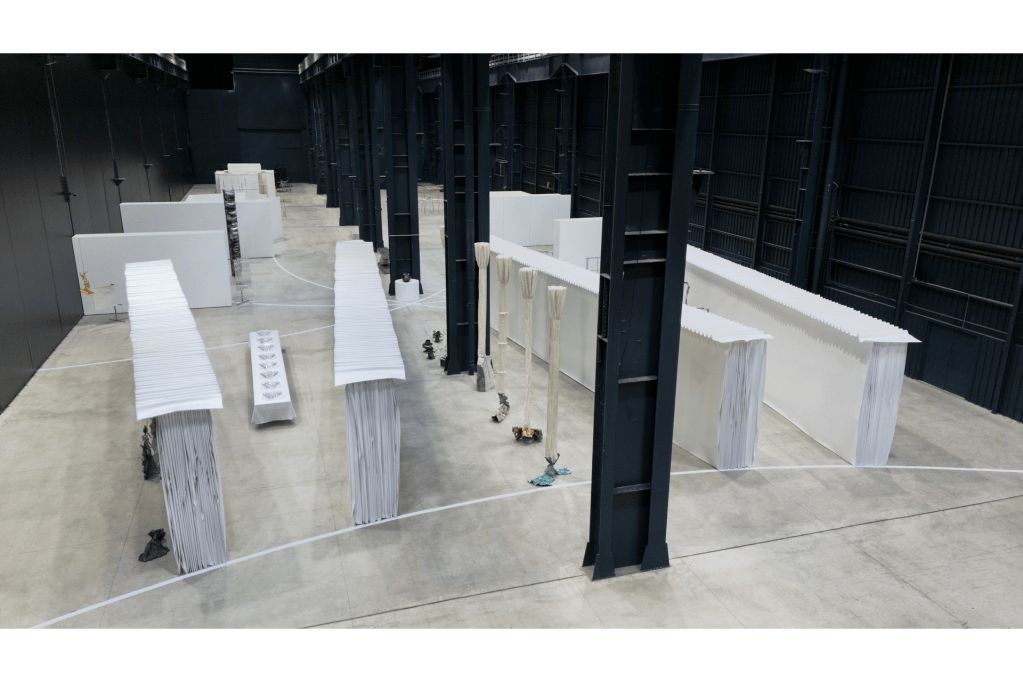
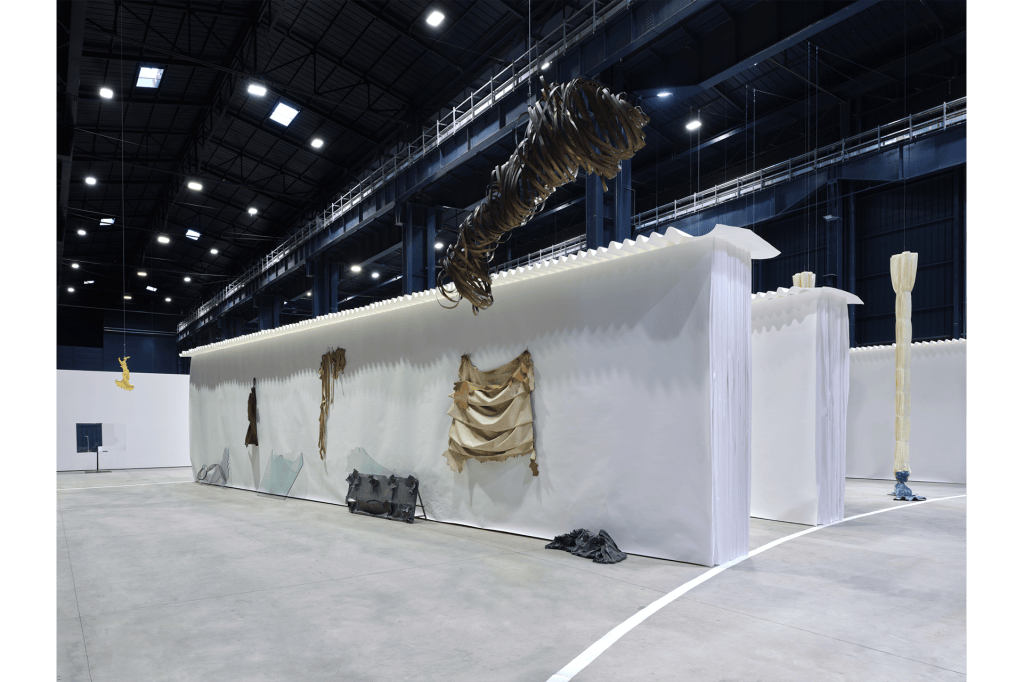
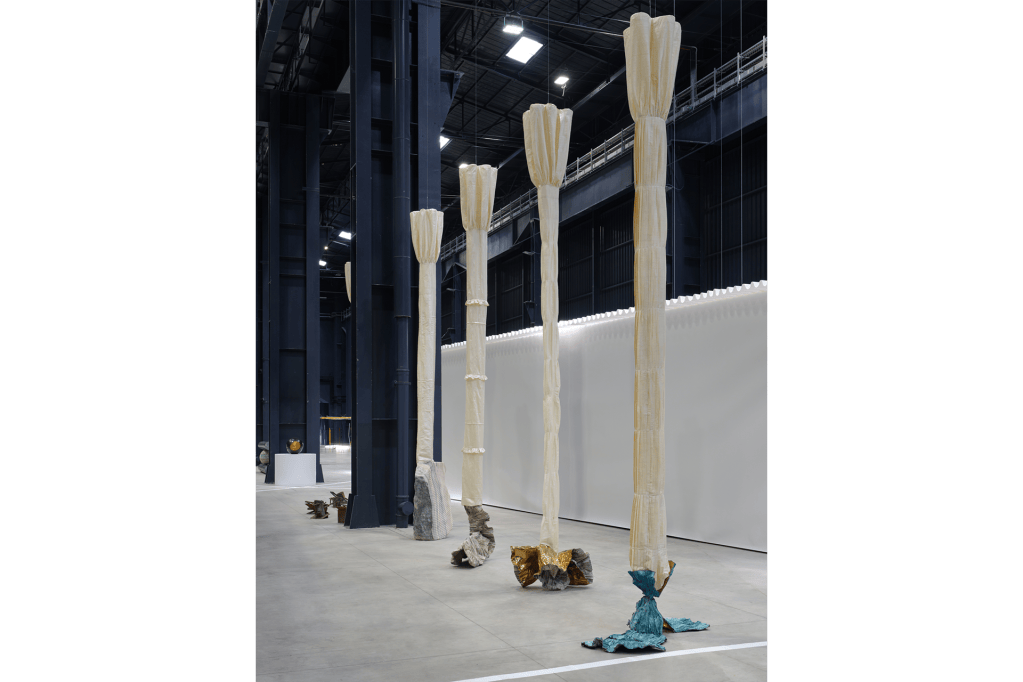
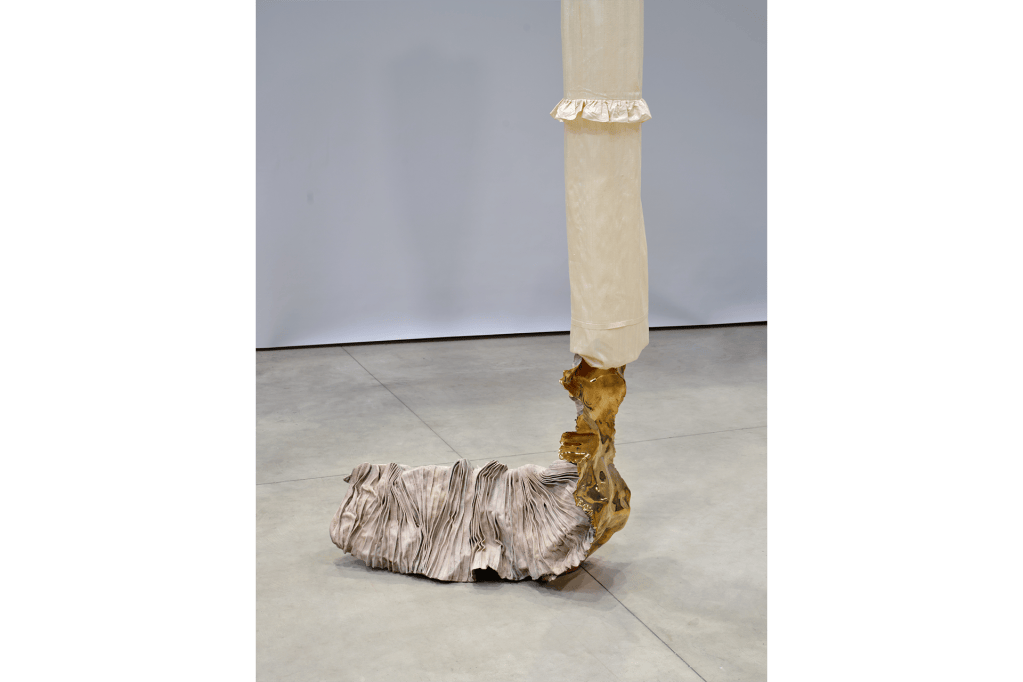
Images: Exhibition views, Abitare Lo Spazio, HangarBicocca Milan, 2026-2027 – Archivio Luciano e Carla Fabro – Copyright the estate of Luciano Fabro – Courtesy Pirelli HangarBicocca Milan 2026-2027