LEE MILLER : UNE VIE EN OFFRANDE À LA PHOTOGRAPHIE, DANS TOUS SES ÉTATS
Lee Miller – Musée d’Art Moderne de la Ville de Paris – 10 avril – 2 août 2026.
Le Musée d’Art moderne de Paris consacre jusqu’au 2 août 2026 une exposition majeure à Lee Miller, photographe américaine dont le parcours a marqué le XXe siècle. Cette rétrospective, la plus importante en France depuis vingt ans, réunit 248 photographies (dont 175 tirages d’époque souvent de très petite taille) qui témoignent d’une trajectoire artistique foisonnante. Organisée en collaboration avec la Tate Britain et l’Art Institute of Chicago, l’exposition révèle une créatrice qui connaissait parfaitement chaque étape du processus photographique.
L’exposition replace enfin Lee Miller au cœur du modernisme photographique naissant. Sa collaboration parisienne avec Man Ray entre 1929 et 1932 fut certes intense – notamment dans la découverte de la solarisation, cet effet obtenu par accident lorsqu’elle ralluma la lumière dans la chambre noire. Mais Miller développa rapidement son propre langage visuel, caractérisé par des cadrages audacieux. Lee Miller ne se contentait jamais de la facilité. Formée dès l’enfance par son père ingénieur et photographe amateur, elle maîtrisait parfaitement les aspects techniques de son art : de la pose en tant que mannequin au développement des clichés. Pionnière de l’expérimentation, elle fut parmi les premières en Angleterre à se lancer dans la photographie couleur et publia le premier cliché couleur jamais paru dans Vogue .
Voyageuse en Syrie et en Egypte, elle travaille son cadrage dans des paysages désertiques. Correspondante de guerre accréditée pour Vogue, Lee Miller développa une approche radicalement différente de ses confrères masculins. Là où ces derniers recherchaient l’héroïsme spectaculaire, elle s’attachait aux détails signifiants, aux visages des femmes, aux enfants, aux laissés-pour-compte de la Libération. Ses photographies des camps de Dachau et Buchenwald, prises juste après leur libération en avril 1945, comptent parmi les premiers témoignages visuels révélant au grand public l’horreur de l’extermination nazie. L’image emblématique où elle pose dans la baignoire d’Hitler le jour même du suicide du dictateur, avec au premier plan des bottes couvertes de la boue des camps, est soumise à de nombreuses controverses mais la photo dégage une charge symbolique puissante.
Les années suivant la guerre furent difficiles. Profondément marquée par ce qu’elle avait vu et photographié, Miller s’éloigna progressivement de la photographie commerciale. Pourtant, elle continua de créer, réalisant des portraits de Picasso et des artistes de son entourage, transformant sa maison de Farley Farm en lieu de rencontres artistiques.
Cette exposition magistrale permet enfin de découvrir Lee Miller dans toute sa complexité: non pas une simple muse devenue photographe de guerre, mais une artiste complète. Un passage obligé pour quiconque s’intéresse à la photographie du XXe siècle.
Valérie Leah
L’exposition Lee Miller est organisée par le Musée d’Art Moderne de Paris du 10 avril au 2 août 2026, en collaboration avec la Tate Britain et l’Art Institute of Chicago.
L’exposition à la Tate Britain s’est tenue du 2 octobre 2025 au 15 février 2026 et l’exposition à l’Art Institute of Chicago aura lieu du 29 août au 7 décembre 2026. Avec la participation des Archives Lee Miller.
_____________________________________________________________
LEE MILLER: A LIFE OFFERED TO PHOTOGRAPHY, IN ALL ITS FORMS
Lee Miller – Museum of Modern Art of the City of Paris – April 10 – August 2, 2026.
The Musée d’Art Moderne de Paris is dedicating a major exhibition to Lee Miller, the American photographer whose career left its mark on the 20th century, until August 2, 2026. This retrospective, the largest in France in twenty years, brings together 248 photographs (including 175 vintage prints, often very small) that bear witness to a prolific artistic trajectory. Organized in collaboration with Tate Britain and the Art Institute of Chicago, the exhibition reveals an artist who was intimately familiar with every stage of the photographic process.
The exhibition finally places Lee Miller at the heart of nascent photographic modernism. Her Parisian collaboration with Man Ray between 1929 and 1932 was certainly intense—particularly in the discovery of solarization, an effect obtained by accident when she turned the light back on in the darkroom. But Miller quickly developed her own visual language, characterized by bold compositions. Lee Miller was never content with the easy path. Trained from childhood by her father, an engineer and amateur photographer, she perfectly mastered the technical aspects of her art: from posing as a model to developing the photographs. A pioneer of experimentation, she was among the first in England to venture into color photography and published the first color photograph ever to appear in Vogue.
A traveler in Syria and Egypt, she honed her framing skills in desert landscapes. An accredited war correspondent for Vogue, Lee Miller developed a radically different approach from her male colleagues. Where they sought spectacular heroism, she focused on meaningful details, the faces of women, children, and those left behind by the Liberation. Her photographs of the Dachau and Buchenwald camps, taken just after their liberation in April 1945, are among the first visual testimonies revealing to the general public the horror of Nazi extermination. The iconic image of her posing in Hitler’s bathtub on the day of the dictator’s suicide, with boots covered in camp mud in the foreground, is the subject of much controversy, but the photograph carries a powerful symbolic weight.
The years following the war were difficult. Deeply affected by what she had seen and photographed, Miller gradually distanced herself from commercial photography. Yet she continued to create, producing portraits of Picasso and the artists in his circle, transforming her home at Farley Farm into a place for artistic gatherings.
This masterful exhibition finally allows us to discover Lee Miller in all her complexity: not simply a muse turned war photographer, but a complete artist. Essential viewing for anyone interested in 20th-century photography.
Valerie Leah
The Lee Miller exhibition is organized by the Musée d’Art Moderne de Paris from April 10 to August 2, 2026, in collaboration with Tate Britain and the Art Institute of Chicago.
The exhibition at Tate Britain ran from October 2, 2025, to February 15, 2026, and the exhibition at the Art Institute of Chicago will take place from August 29 to December 7, 2026. With the participation of the Lee Miller Archives.
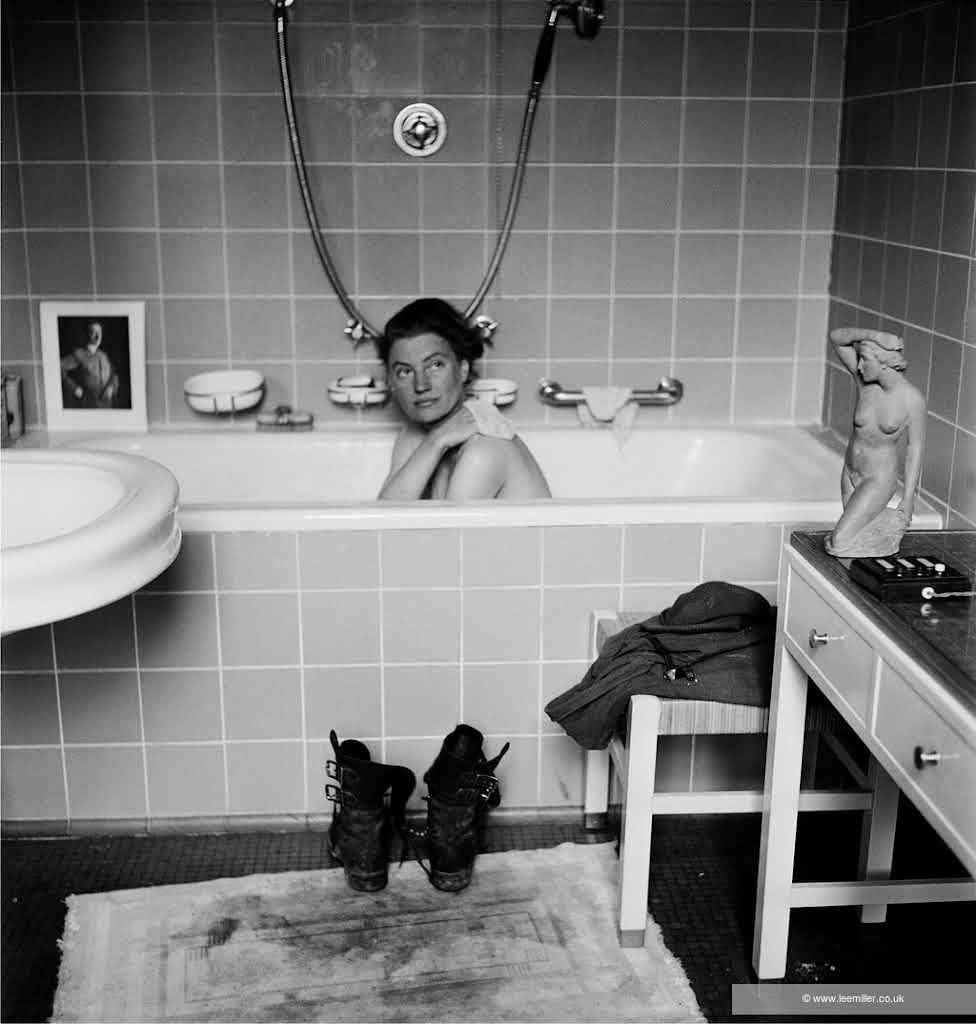
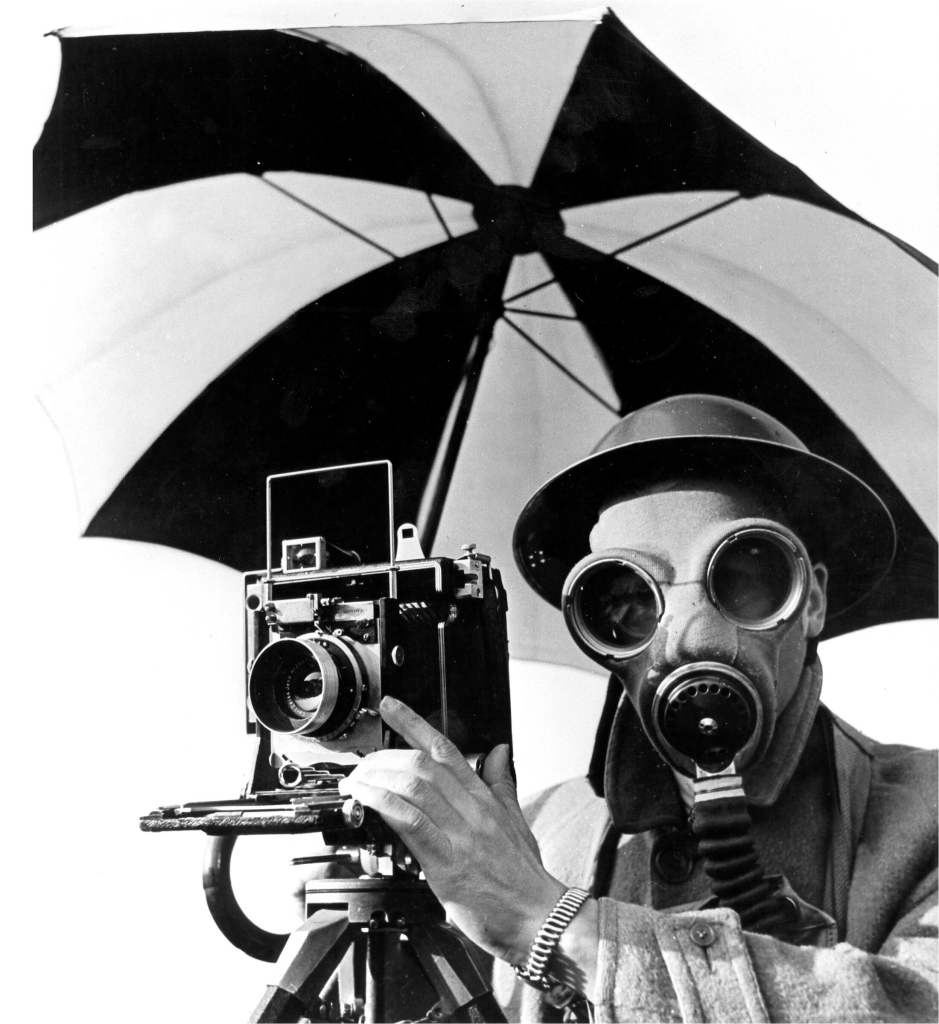
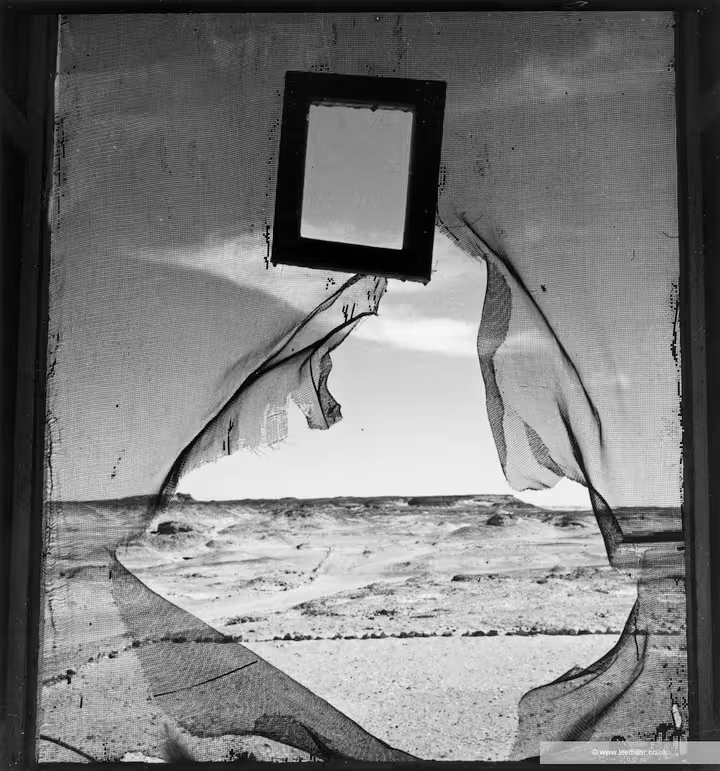
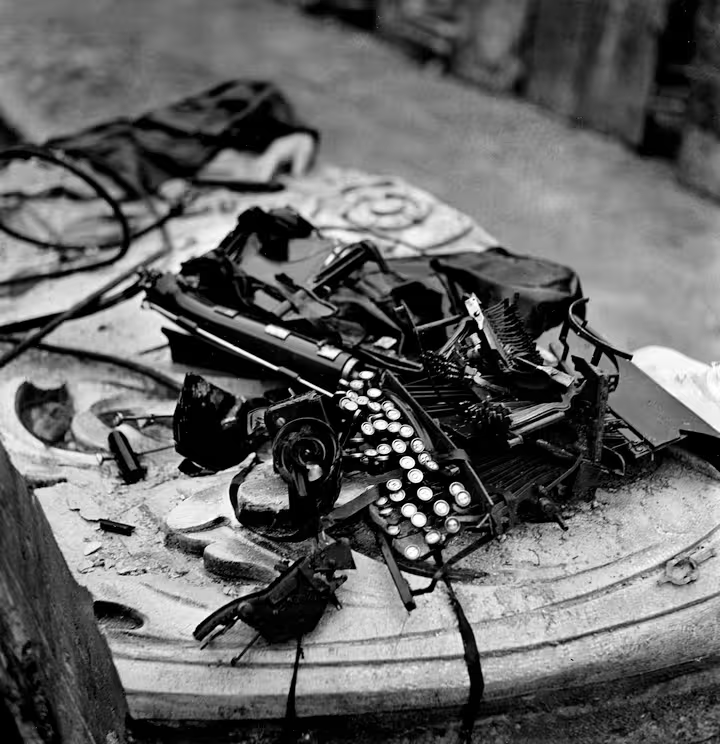
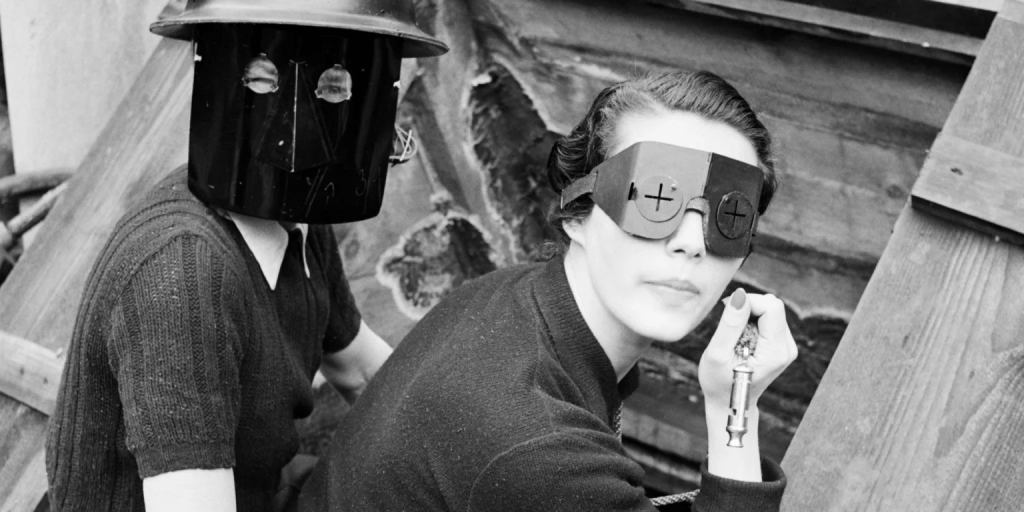
1- Lee Miller, Fire Marks, Downshire Hill, London, 1941 – 2- Lee Miller nue dans la baignoire d’Hitler, peu après son suicide, un portrait de ce dernier à ses côtés , le 30 avril 1945 – 3- England 1943 – 4- « Portrait de l’espace » en 1937 à Al Bulwayed, prés de Siwa en Egypte – 5- Remington réduite au silence à Londres en 1940 – All images Copyright Lee Miller Archives, England, 2026